Type beat for freestyle rapping in 2026 and how to use a hard trap instrumental legally
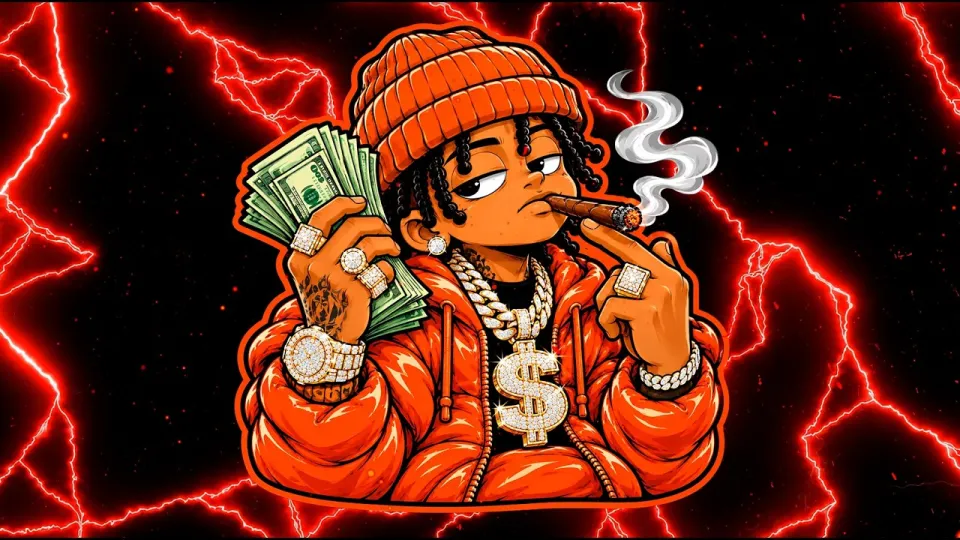
Video: FREESTYLE TYPE BEAT - ''I HAVE HARD FLOW'' | Trap Instrumental 2026 | Rap Type Beat
Want articles like this for your own video to promote it on YouTube and Google? Order them through the Telegram bot @sat_sit_bot. It writes articles around your video, embeds the video and publishes them on popular niche websites (no ads). Try it free: 50 articles on us.
· based on the channel Rey Pandora Beats
A type beat is an instrumental made in the style of a specific artist, region or subgenre, sold or shared so that other rappers can write and record over it. In practice, a freestyle type beat is the fastest route from a blank page to a finished track: the tempo, drum pattern and mood are already set, and the rapper supplies the flow. Rey Pandora Beats published one such instrumental, "I Have Hard Flow," on 19 October 2026, and licenses for it are handled through the Rey Pandora Beats BeatStars store, where producers and artists can browse and buy usage rights.
What a freestyle type beat actually is and what it is not
A freestyle type beat is a ready-made trap instrumental designed to be rapped over without a fixed hook or a pre-written vocal structure. The term "type beat" comes from the search behavior of artists looking for a sound similar to a reference artist, so the beat is tagged by mood and scene rather than by a single song. It is not a sample of an existing record, and it is not a finished song: it is an empty stage with lighting already set.
Three things separate a usable freestyle beat from a random loop:
- A clear tempo and grid, so a rapper can count bars without guessing.
- An arrangement with room in the middle frequencies for a vocal.
- A defined mood, in this case a hard, aggressive trap character, so the writing direction is obvious before the first line.
"I Have Hard Flow" is labeled as a trap instrumental, a rap type beat and a freestyle beat at once, which reflects how the same file serves several search intents: someone wants a hard beat to freestyle on, someone wants a background for a video, and someone wants a base de trap for a Spanish-language track.
How to rap over a hard trap beat without losing the pocket
The first step is to find the tempo and count in bars of four, because a hard trap beat usually leaves little space between kicks and the vocal has to sit on top of the pattern. Play the instrumental on loop for two or three minutes before writing anything; the goal is to feel where the hi-hats double up and where the beat drops out.
A practical workflow that works with aggressive trap instrumentals:
- Set the beat to loop and record a scratch take of pure mumbling to lock the flow before writing words.
- Write in four-bar chunks and keep the punchline at the end of each chunk, where the beat usually opens up.
- Leave the first two bars of a verse sparse; a hard beat rewards restraint at the entry and pressure at the exit.
- Record a doubled or ad-lib layer on the last word of each line rather than on every word.
Freestyling on a hard beat is mostly breath control. Trap tempos often sit in the 130–150 BPM range counted in half time, so a line that looks short on paper can be long in the mouth. If the flow stumbles, cut syllables rather than speed up.
Free use versus commercial license on a type beat
The license decides what you can do with the recording, not the beat itself, and the terms for this instrumental are stated plainly by the producer. Free use covers YouTube videos and personal projects that are not monetized, provided the producer is credited as Rey Pandora Beats in the description or credits. Commercial use, meaning monetized YouTube videos or distribution on Spotify, Apple Music, iTunes and similar platforms, requires a purchased commercial license.
That distinction matters more than most beginners expect. A track that gets 200 views on an unmonetized channel is a personal project; the same track uploaded to a streaming aggregator is a commercial release and needs paperwork behind it. Buying the license through the BeatStars store gives the artist a document that survives a copyright claim, a Content ID match or a distributor review.
A simple checklist before uploading anything recorded over a type beat:
- Confirm whether the release will be monetized or distributed.
- If yes, buy the commercial license first and keep the receipt.
- If no, add the producer credit in the description and keep the video non-monetized.
- Save the original beat file and the license email in the same project folder.
Why hard trap instrumentals dominate freestyle sessions
Hard trap beats dominate freestyle because aggression is easier to perform than subtlety when the rapper is improvising. A dark, punchy instrumental gives the voice something to push against, and the listener forgives a loose bar if the energy holds. That is why search terms like hard type beat, aggressive beat and dark trap beat cluster around the same files.
The Rey Pandora Beats catalog leans into this: the tags on "I Have Hard Flow" list free hard type beat, hard trap beat, freestyle rap beat and dark type beat alongside neutral terms like rap instrumental and beat instrumental. The channel also serves the Spanish-speaking market with base de trap and bases de rap uso libre, a segment where free-use instrumentals fuel a large freestyle and battle scene. The audience response reflects the same instinct: listeners describe the vibe as hard and ask about the visual direction of the uploads as much as the audio, which is typical for a producer channel where the brand is the beat tag.
Common questions from artists before they record
Most doubts around type beats are practical rather than artistic. Rappers want to know whether they can upload a freestyle to social media, whether a beat can be used in a battle or a cypher, and whether changing the pitch or tempo counts as making it original. The short answers: social media clips usually fall under free use if they are not monetized and credit is given; battles and cyphers depend on the event's own rules and on whether tickets or ads generate revenue; and pitching a beat does not transfer ownership.
A second cluster of questions concerns the writing itself: how long a verse should be on a trap beat, and whether a freestyle needs a hook. On a hard trap instrumental, 16 bars is the standard verse length, and a freestyle can work without a chorus if the take is strong enough to stand as a one-part performance. Producers also get asked about stems and beat tags; the tag stays in the free version, and clean versions typically come with a license.
Where to find the beat and the license
All official links for this release live in one place, and the store is the one that matters for anyone planning to release music:
- Beat store and licensing: https://reypandorabeatsoff.beatstars.com/
- Instagram: @rey.pandora
- Email for business: papapandorabeat@gmail.com
Final word on picking a type beat in 2026
A type beat is a tool, and the right one removes friction between an idea and a recording. "I Have Hard Flow" is built for the moment a rapper needs a hard trap pocket immediately, with a free-use path for practice videos and a paid path for releases that earn money. Rey Pandora Beats, the channel behind the instrumental, states both routes clearly in the video description, which is more than many producers do. Choose the license that matches the release, credit the producer, and the beat does the rest.
Key takeaways
- A type beat is an instrumental built in the style of a known artist or scene, sold or shared for other rappers to write and record over.
- Rey Pandora Beats released the freestyle trap instrumental 'I Have Hard Flow' on 19 October 2026.
- The channel passed 800,000 subscribers and is aiming for 900,000.
- Free use of the beat is allowed only for non-monetized projects with credit to Rey Pandora Beats.
- Monetized YouTube videos and streaming releases on Spotify, Apple Music or iTunes require a paid commercial license.
Source: FREESTYLE TYPE BEAT - ''I HAVE HARD FLOW'' | Trap Instrumental 2026 | Rap Type Beat · Markdown version
Questions & answers
Can I use a free type beat in a monetized YouTube video?
No. The free-use terms for this instrumental cover only non-monetized videos and personal projects, and they require credit to Rey Pandora Beats in the description or credits. If the video earns ad revenue, a commercial license must be purchased first through the producer's BeatStars store.
Do I need a license to put a type beat track on Spotify or Apple Music?
Yes. Distribution on Spotify, Apple Music, iTunes and similar platforms counts as commercial use, so a paid commercial license is required before release. Keep the license confirmation with your project files in case a distributor or copyright claim asks for proof.
How many bars should a verse be on a hard trap beat?
Sixteen bars is the standard verse length for trap instrumentals, which usually means four groups of four bars. For a freestyle take, a single strong 16 with no chorus can work, especially on an aggressive beat where energy matters more than structure.
Does pitching or speeding up a type beat make it mine?
No. Changing the tempo or pitch of an instrumental does not transfer ownership or replace a license. The producer retains the rights, so the same free-use and commercial-use rules apply to the altered version.